Comparison guide

Shortpass vs dichroic mirror

Shortpass and dichroic mirror searches often overlap in buyer language, but the RFQ fields differ because one request is usually framed around a cutoff and the other around reflected and transmitted paths.

Optical filter request guide

Shortpass Vs Dichroic Mirror comparison guide

Prepare Shortpass Vs Dichroic Mirror fields for optical filter review with wavelength, bandwidth, blocking, geometry, product-family path, and RFQ checklist guidance.

What is being compared in Shortpass vs Dichroic Mirror?

Shortpass vs Dichroic Mirror: terms compared

Use the comparison to separate optical functions, request fields, and review questions. The page should help a buyer understand how to describe the need, not declare that one option can stand in for another without technical review.

Identify the actual optical function before choosing a family.

Where does Shortpass vs Dichroic Mirror create confusion?

Where confusion happens

Confusion often starts when a short term is used without wavelength, bandwidth, blocking, AOI, substrate, or application context. Add the missing fields before deciding whether the comparison is about function, geometry, measurement, or document review.

Write the missing fields as review questions.

Why should Shortpass vs Dichroic Mirror not be treated as one request automatically?

Do not collapse different requests into one

Different optical terms can point to different review paths, even when they appear in the same system. Keep each option tied to its own function and field list so the technical response can compare the requirement instead of guessing from labels.

List each option with its own wavelength, blocking, and geometry fields.

Which fields help split Shortpass vs Dichroic Mirror?

Field split for review

Separate the comparison by passband or cutoff, blocking region, transmission or attenuation target, angle, substrate, size, source, detector, and surrounding channels. The field split makes the inquiry easier to review without adding broad performance language.

Prepare a two-column field list for the RFQ.

Which product paths may connect to Shortpass vs Dichroic Mirror?

Product family paths

The comparison may point toward bandpass, longpass, shortpass, notch, neutral density, dichroic, or coated optic families. Choose the path by optical function and keep unresolved alternatives visible as review questions.

Open the relevant family pages or include both options in the RFQ.

How should a buyer move from Shortpass vs Dichroic Mirror to an RFQ?

RFQ next step

Send the comparison as a structured request with the fields for each option, the application context, and the documents needed. Ask for review of the requirement rather than asking the page to resolve an engineering decision alone.

Submit the comparison fields through the technical RFQ path.

Technical fields to prepare

Use these fields to turn the page topic into a reviewable Lumalyx request.

  • application context
  • target wavelength or band
  • blocking or OD target
  • AOI or geometry
  • substrate and size
  • quantity
  • documents or drawings

Comparison frame

A shortpass request usually describes shorter-wavelength transmission and longer-wavelength blocking. A dichroic mirror request usually describes which band reflects, which band transmits, and the working angle.

Selection difference

The key distinction is path behavior. Shortpass review centers on cutoff and attenuation. Dichroic review centers on reflection band, transmission band, AOI, coating side and substrate.

Request path

For beamsplitting or channel routing questions, send a wavelength diagram or source-detector layout. For a simple cutoff task, send pass range, blocked range and geometry.

Review boundary

Use comparison terms to prepare request fields, not to force a conclusion.

This page is a terminology and RFQ preparation guide. It does not decide final optical layout, coating feasibility, output scope or commercial terms.

The safest next step is to describe the optical role and mark open values clearly.

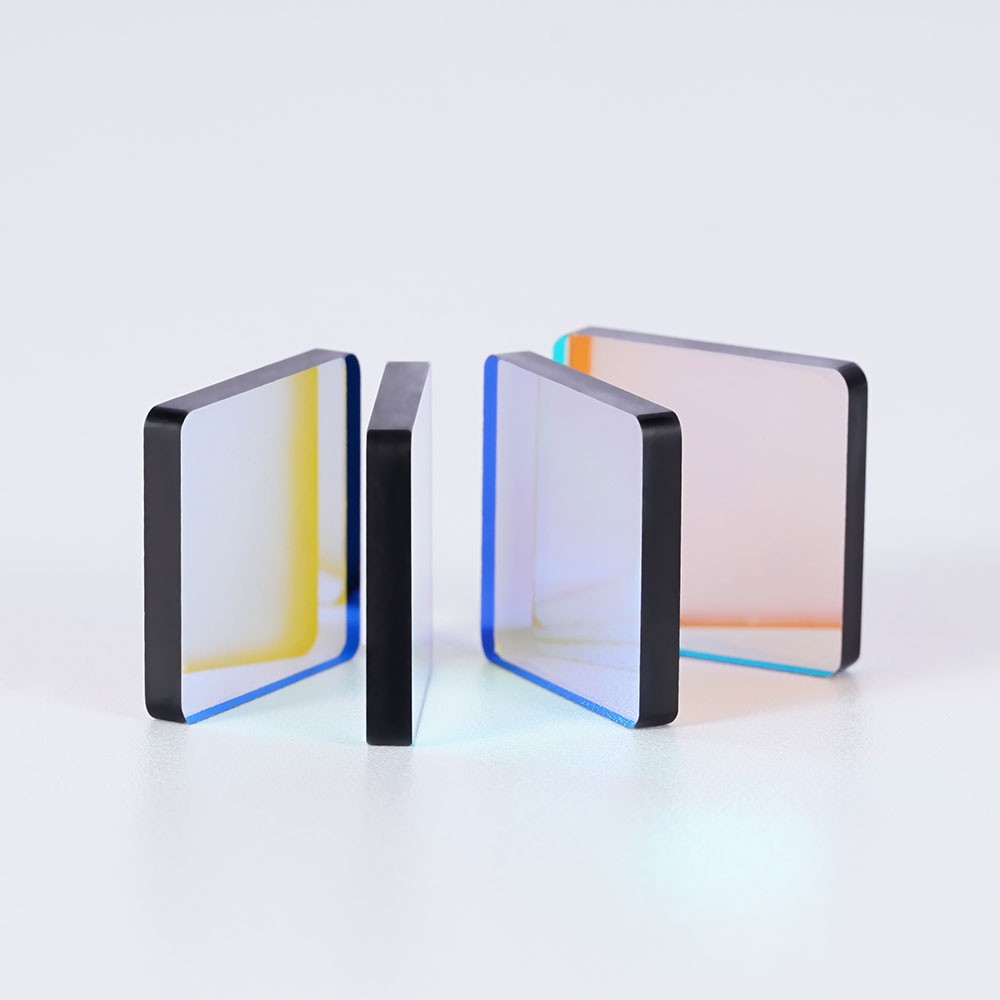
Representative optical component for comparison review
Representative product visual for comparison review.

Comparison points for RFQ review

These points move a comparison search into a reviewable optical package.

  • Shortpass: define pass range, cutoff edge, blocked longer-wavelength range and OD target.
  • Dichroic mirror: define reflected band, transmitted band, AOI, coating side and substrate.
  • Both requests need size, thickness, drawing, quantity and application context.
  • Channel-routing requests benefit from a simple light-path sketch.
RFQ preparation

Send the optical role, not only the comparison keyword.

Lumalyx can review a request more efficiently when the comparison is paired with wavelength ranges, blocking or attenuation targets, AOI, substrate, size and use context.

Start RFQ package
Comparison depth

Separate cutoff review from path-routing review

Shortpass and dichroic mirror searches can sound similar, but the RFQ fields differ because one frames a cutoff and the other frames reflected and transmitted paths.

FieldUse whenReview note
Cutoff requestThe task is to pass shorter wavelengths and limit longer wavelengths.Use pass range, cutoff edge, blocked range and OD target as the core review fields.
Path-routing requestThe task involves reflection, transmission or beamsplitting at a working angle.Use reflected band, transmitted band, AOI, coating side, substrate and drawing context.
Layout contextThe buyer is unsure whether the task is a filter or mirror question.Send a source-detector sketch, wavelength diagram or current reference before asking for final review.

Misread boundary

The page does not decide optical layout or coating feasibility. It turns overlapping terminology into request fields.

RFQ prompt

Send pass range, blocked range, reflected band, transmitted band, AOI and drawing context if the vocabulary is still open.

Regional note

Localized pages should focus on regional wording for cutoff, dichroic and beamsplitter requests, not on thin translated comparison pages.

FAQ

Common Shortpass vs dichroic mirror questions.

These answers keep the page focused on optical RFQ preparation.

How do shortpass and dichroic mirror RFQs differ?

Shortpass RFQs focus on pass range, cutoff and blocked longer wavelengths. Dichroic mirror RFQs focus on reflected band, transmitted band, working angle, coating side and substrate.

What should I send if I am not sure which term is right?

Send the light-path goal, source band, detector band, unwanted range, AOI, substrate and any sketch or current reference.

Does this page confirm a final optical layout?

No. It organizes the request fields so the optical layout can be reviewed through RFQ.